
Fresh Spirulina Smoothies Health Benefits
Fresh spirulina smoothies concentrate dense, easily absorbed nutrients into a single serving that supports energy, immune function, and recovery. California-grown fresh spirulina from reliable farms delivers higher moisture with preserved pigments and enzymes, improving bioavailability compared with some dried products.
Nutrients and health effects
Fresh spirulina provides a complete amino acid profile, concentrated plant protein, and a suite of vitamins, minerals, and pigments that drive measurable health effects. Protein in spirulina supplies all essential amino acids in amounts useful for muscle repair when combined with other protein sources. B vitamins contribute to cellular energy production and methylation. Mineral content includes iron and calcium in forms that are often better tolerated than many supplements. Antioxidant pigments, especially phycocyanin, quench free radicals, lower markers of oxidative stress, and show anti-inflammatory signaling in laboratory and human studies.
Phycocyanin has been associated with reduced C-reactive protein in small trials and displays selective inhibition of inflammatory enzymes. Chlorophyll supports detoxification pathways by binding to certain environmental toxins and promoting bile-mediated elimination. Clinical trials and meta-analyses indicate consistent reductions in total cholesterol and LDL after daily spirulina supplementation, along with modest improvements in triglycerides and HDL in populations with dyslipidemia. Evidence also supports improvements in fasting blood glucose and insulin sensitivity in people with metabolic syndrome when spirulina is used as an adjunct to diet.
Below are typical nutrient amounts for a practical serving that reflects common use of fresh versus dried forms. The first row explains serving equivalence; values are calculated from laboratory averages for edible spirulina strains.
| Nutrient | 10 g fresh (wet) ≈ typical fresh serving | 2 g dried powder ≈ typical powdered serving |
|---|---|---|
| Energy (kcal) | 6 | 5.8 |
| Protein (g) | 1.15 | 1.15 |
| Total fat (g) | 0.15 | 0.15 |
| Carbohydrate (g) | 0.48 | 0.48 |
| Iron (mg) | 0.57 | 0.57 |
| Calcium (mg) | 2.4 | 2.4 |
| Vitamin A (IU) | 114 | 114 |
| Phycocyanin (mg, approximate) | 150–300 | 150–300 |
These amounts show that a 10 g fresh portion supplies nutrient levels comparable to a 2 g dried portion because fresh spirulina contains substantial water. The advantage of fresh product lies in pigment and enzyme preservation. That preservation can translate into improved antioxidant activity and a milder, greener flavor that blends well in smoothies.
Immune modulation and antiviral activity appear in laboratory and small clinical studies. Spirulina may enhance natural killer cell activity and antibody responses, and isolated compounds have exhibited inhibitory effects against several viruses in vitro. For inflammation and joint discomfort, anti-inflammatory signaling from phycocyanin and other bioactives reduces proinflammatory cytokines in controlled trials and animal models, which supports use as part of a recovery strategy for athletes and people with chronic low-grade inflammation.
Cardiometabolic benefits include improved lipid panels and glycemic markers when spirulina is used at commonly studied doses, typically 1–8 g per day of dried equivalent. Skin, hair, and nails benefit indirectly from improved antioxidant status and micronutrients like iron and vitamin A. Cognitive effects include mood stabilization and reduced mental fatigue through B vitamin support and antioxidant protection; direct neuroprotective signaling from spirulina pigments has been documented in preclinical studies.
Quality, sourcing, safety, and storage
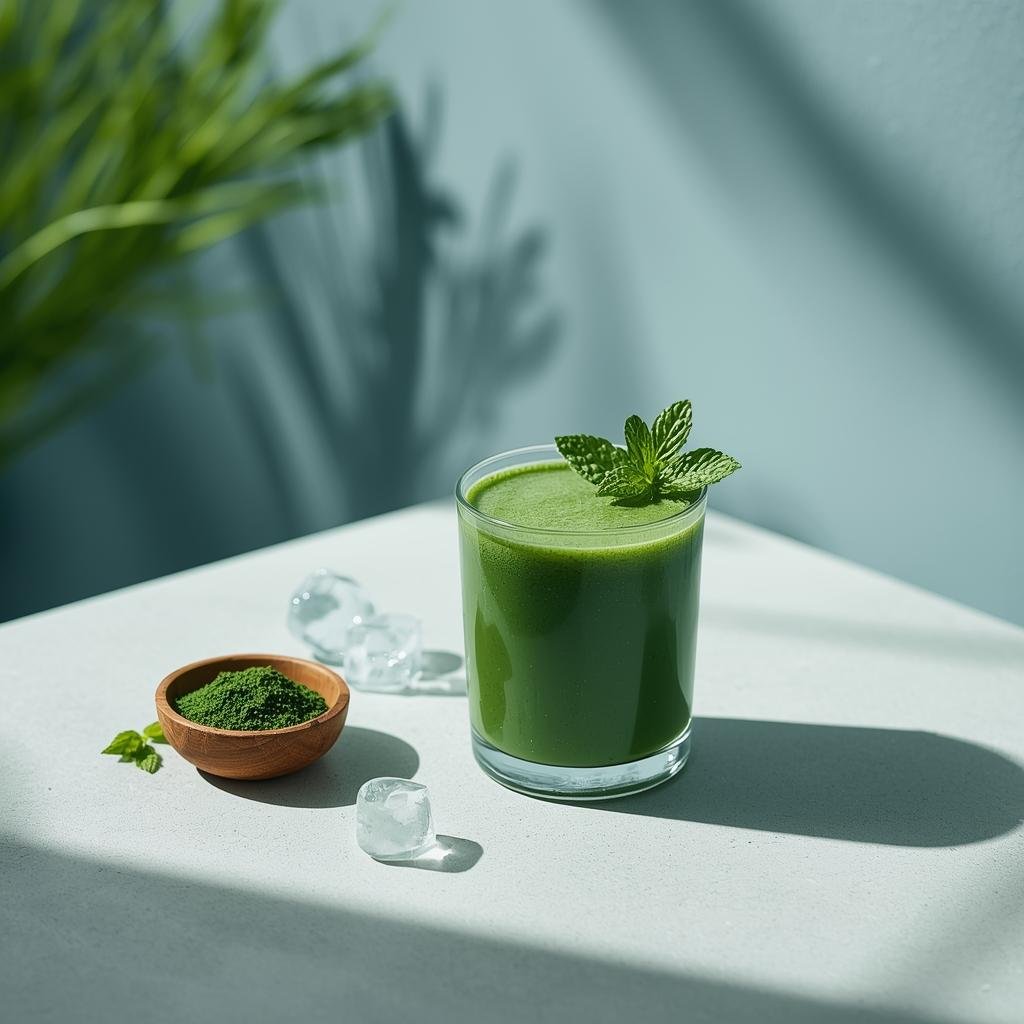
California-grown spirulina follows strict cultivation and testing standards to avoid contaminants such as microcystins and heavy metals. Proper third-party testing for contaminants and for phycocyanin potency is essential. Fresh spirulina should be refrigerated and used within a few days of harvest; many farms flash-chill and ship with cool packs to preserve freshness. Dried powder remains shelf-stable for months when stored in airtight containers away from heat.
Safe dosing guidance: for adults new to spirulina, begin with a small serving equivalent to 2 g dried or about 5–10 g fresh, once daily, then increase slowly to 6–8 g dried equivalent per day if tolerated. People with autoimmune disorders, those on immunosuppressive therapy, or individuals with phenylketonuria should consult a healthcare professional before use. Caution is needed when combining spirulina with anticoagulants or certain diabetes medications because of additive effects on clotting and blood sugar. Always choose vendors that publish contaminant test results.
Practical recipes and usage tips
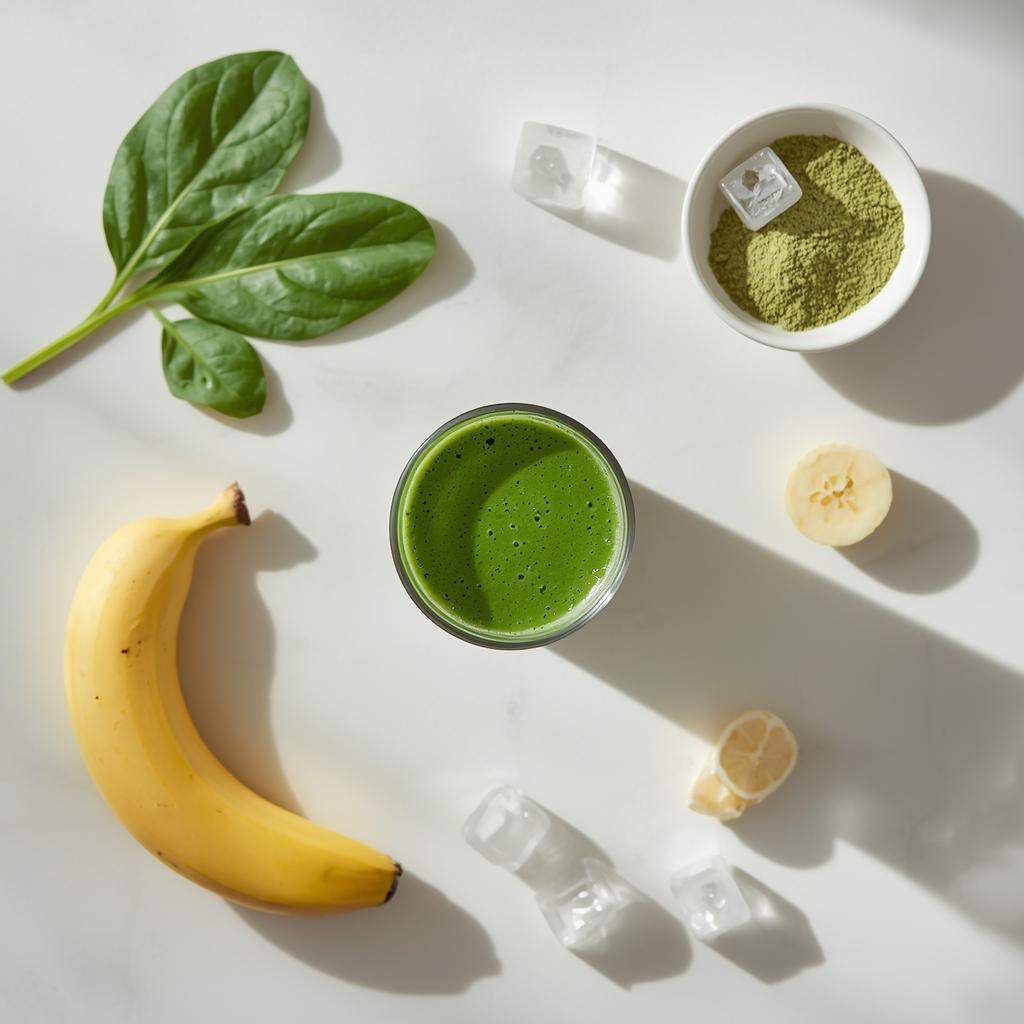
Best ingredients to pair with fresh spirulina include neutral bases and bright flavors that mask green notes while preserving nutrient synergy:
- ripe banana for creaminess and potassium,
- citrus juice for vitamin C to enhance iron uptake,
- Greek yogurt or plant protein for added protein and texture,
- avocado for healthy fats that aid fat-soluble nutrient absorption,
- ginger or cinnamon to improve palatability and add anti-inflammatory support.
Recipes follow simple blending instructions. For a protein-packed option: combine 10 g fresh spirulina, 1 cup unsweetened almond milk, ¾ cup Greek yogurt, 1 small frozen banana, and 1 tablespoon almond butter; blend until smooth. For immune support: blend 10 g fresh spirulina with ¾ cup orange juice, ½ cup pineapple, 1 teaspoon grated ginger, and ice. For a chocolate-banana flavor: add 1 tablespoon cocoa powder and a date to the basic banana base with 10 g fresh spirulina. For a post-workout recovery drink: mix 10 g fresh spirulina, 1 scoop whey or plant protein, ½ cup coconut water, frozen berries, and ice.
Kid-friendly options dilute spirulina intensity by reducing serving size to 3–5 g fresh and combining with naturally sweet fruits like mango or banana and a creamy base. Flavor improvement strategies include balancing spirulina with citrus, natural sweeteners, or nut butter and blending with frozen fruit for thick texture.
Fresh spirulina smoothies fit into daily routines as a morning nutrient booster, a pre-workout energy source, or a recovery beverage. Reliable California suppliers ship fresh product with clear harvest dates and lab results, enabling direct-to-door delivery with freshness guarantees. Common questions about safety, dosing, and interactions should be addressed by consulting product lab reports and a qualified clinician for individualized recommendations.